
A Step-by-Step Guide to Understanding Fertility Testing for Couples
Are you starting to think about fertility testing? Have you been trying to conceive and wondering which tests actually matter? Or are you overwhelmed by conflicting advice and unsure where to begin? In this comprehensive guide, we'll break down fertility testing with clarity, compassion, and evidence-based insights to help you move forward feeling informed instead of intimidated.
The Importance of a Thorough Health History
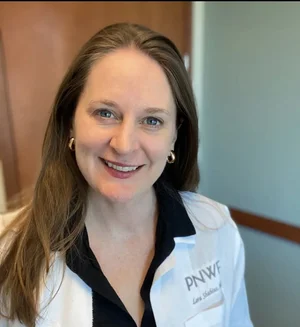
When it comes to fertility testing, one of the most important first steps is taking a deep dive into your overall health history. As Dr. Lora Shahine, a double board-certified reproductive endocrinologist and OBGYN, explains, "A huge part of the evaluation is getting a very thorough health history. Someone's overall health and well-being can impact their reproductive health."
This means discussing chronic medical conditions, medications, supplements, past issues, and details about your menstrual cycle. Dr. Shahine emphasizes the importance of being open about any pain or discomfort experienced during your period, as this can be a key indicator of underlying conditions like endometriosis.
She advises, "Are you taking Advil or ibuprofen when you're getting your periods? Are you taking it like the bottle says or you like popping them like it's your job? We need to talk about that. Are you missing work? Are you missing school? Are you missing events that you enjoy because of your period? Do you know that for a couple of days out of the month, you are going to be down and out or by the bathroom floor in pain clutching your abdomen or nauseated? That is not okay. That is not normal. And that's a red flag for me to talk about and think about endometriosis."
In addition to menstrual history, Dr. Shahine also inquires about lifestyle factors, mental health, and past pregnancies, as these can all provide valuable clues about potential fertility challenges. By taking the time to thoroughly understand your unique health profile, your doctor can then tailor the fertility testing process to your specific needs.
Essential Fertility Tests for Women
Once your doctor has a comprehensive understanding of your health history, the next step is to undergo a series of fertility tests. For women, these typically fall into two main categories: anatomy testing and blood work.
Anatomy Testing
Pelvic Ultrasound: This imaging test provides a detailed look at the uterus, ovaries, and overall pelvic anatomy. It can help identify any structural issues, such as fibroids or abnormalities in the ovaries.
Hysterosalpingogram (HSG): Also known as an "HSG," this X-ray procedure evaluates the uterine cavity and fallopian tubes, checking for any blockages or abnormalities that could impact fertility.
As Dr. Shahine explains, "The pelvic ultrasound shows me the overall shape of the uterus. It shows me the ovaries. I can get a window into ovarian reserve by doing an antral follicle count. The eggs are in these little fluid-filled structures on the ovaries called follicles. And you can count each follicle to get a window into how many eggs are up for grabs."
The HSG, on the other hand, provides crucial information about the fallopian tubes. "It is invaluable if someone is really having difficulty conceiving," says Dr. Shahine. "What we do is we place a little catheter into the cervix and press fluid into the uterine cavity and watch the fluid spill through the fallopian tubes under direct visualization. So, we're actually using fluoroscopy, which is a type of X-ray, very little exposure, and truly the only way to make sure the fallopian tubes are open."
Blood Work
Anti-Müllerian Hormone (AMH): This blood test provides a snapshot of your ovarian reserve, or the number of eggs available. While not a perfect predictor of fertility, AMH can give valuable insight into your egg supply.
Follicle-Stimulating Hormone (FSH) and Estradiol: Measuring these hormone levels, typically on cycle day 3, can also offer clues about ovarian function and egg quality.
Thyroid-Stimulating Hormone (TSH): An imbalance in thyroid function can impact fertility, so checking TSH levels is often part of the initial fertility workup.
Prolactin: Elevated prolactin levels can disrupt ovulation, so this hormone may also be evaluated, especially if you have irregular or unpredictable cycles.
It's important to note that while these tests provide valuable information, they don't tell the whole story. As Dr. Shahine emphasizes, "AMH is not the fertility crystal ball that we want it to be. We are all looking for a test that can tell somebody are you fertile or how long do you have to be fertile? Are you going to be a person who can get pregnant easily at 35 or 45? But we don't have that crystal ball."
Instead, these test results should be interpreted in the context of your overall health history and personal fertility goals. Your doctor can then use this information to develop a personalized plan for moving forward.
Fertility Testing for Men
While the focus is often on female fertility, it's crucial to remember that men play a crucial role in the conception process as well. As Dr. Shahine explains, "Men are half of the genetic equation. Men are half of the embryo. We are, as a society, we're so focused on the female part of reproduction. It's the one place in medicine where there's more research on women than in men. But we need to change that narrative a little bit. We need to learn more about men because it is honestly ridiculous that the only test that we really have as a first-line test is a semen analysis."
The semen analysis is the cornerstone of male fertility testing, providing crucial information about sperm count, motility, and morphology. As Dr. Shahine emphasizes, "You cannot pass go without getting a semen analysis. I have had several patients through my career that it has really been difficult and people dragging their feet to get it done. Um it is sometimes a mental block, sometimes it is a fear of embarrassment coming to the clinic."
To make the process as comfortable as possible, some clinics offer the option to collect the sample at home and then quickly deliver it to the lab for analysis. While this may not be as accurate as a sample collected on-site, it can help overcome any hesitation or discomfort.
Beyond the semen analysis, the male fertility evaluation also includes a thorough review of the partner's medical history, lifestyle factors, and any past fertility or pregnancy issues. While additional testing, such as DNA fragmentation analysis, may be recommended in some cases, the semen analysis and comprehensive health history are typically the starting point for assessing male fertility.
Preconception Testing: Preparing for a Healthy Pregnancy
In addition to the fertility-specific tests, Dr. Shahine also emphasizes the importance of preconception testing. This includes evaluating factors like blood type, immunity to certain viruses, and genetic carrier screening.
"I feel fortunate that I'm often seeing patients before they are pregnant," says Dr. Shahine. "I can teach them about the importance of prenatal vitamins. I can teach them about the importance of going through their medications with their provider and making sure they're safe in pregnancy. Look at vitamin D and educate on that because I practice in Seattle and you know so many people in the Pacific Northwest are vitamin D deficient. It's so important for immune health, reproductive health."
The preconception testing panel may include:
Blood Type: Knowing your blood type is important for managing any potential complications during pregnancy.
Varicella and Rubella Titers: These tests check your immunity to the viruses that cause chickenpox/shingles and German measles, respectively. If you're not immune, you may need to be vaccinated before trying to conceive.
Genetic Carrier Screening: This comprehensive test checks for hundreds of genetic mutations that could potentially be passed on to a child. While the chances of finding something actionable are low, it can provide valuable information for family planning.
By addressing these preconception considerations, you can take proactive steps to optimize your health and ensure the best possible start to your pregnancy journey.
When to Seek Specialized Fertility Care
After completing the initial fertility testing, it's important to have a clear understanding of when to seek the guidance of a reproductive specialist, such as a reproductive endocrinologist or fertility specialist like Dr. Shahine.
As Dr. Shahine advises, be sure to ask your doctor a few key questions:
What are we going to do if all the testing is normal? Even if your test results come back within the normal range, your doctor should have a plan for next steps, whether that's continuing to try naturally or exploring additional treatment options.
What are we going to do if the testing is abnormal? If any of the test results indicate a potential fertility issue, your doctor should have a clear strategy for further evaluation and treatment, which may involve a referral to a specialist.
When would you refer me to a specialist? Many people start their fertility journey with their primary care provider or OBGYN, but it's important to understand the criteria for when a referral to a reproductive endocrinologist or fertility clinic would be appropriate.
By asking these questions, you can ensure that you have a clear roadmap for your fertility journey, whether that means continuing with your current provider or seeking the expertise of a specialist.
Remember, understanding your fertility testing options is the first step towards feeling empowered and informed as you navigate this process.
Additional Resources for Support
Dr. Shahine shares a wealth of additional resources to help those struggling with infertility and pregnancy loss. These include:
Dr. Shahine's free newsletter, which provides ongoing support and education
Her "Brave and Curious" podcast, which delves deeper into fertility-related topics
Her books on fertility and miscarriage, including the best-selling "Not Broken: An Approachable Guide to Miscarriage and Recurrent Pregnancy Loss"
Her active social media presence on Instagram, TikTok, Twitter, Facebook, and LinkedIn
Stay brave, stay curious, and trust that you've got this!