
Navigating Fertility and Pregnancy at Advanced Maternal and Paternal Ages
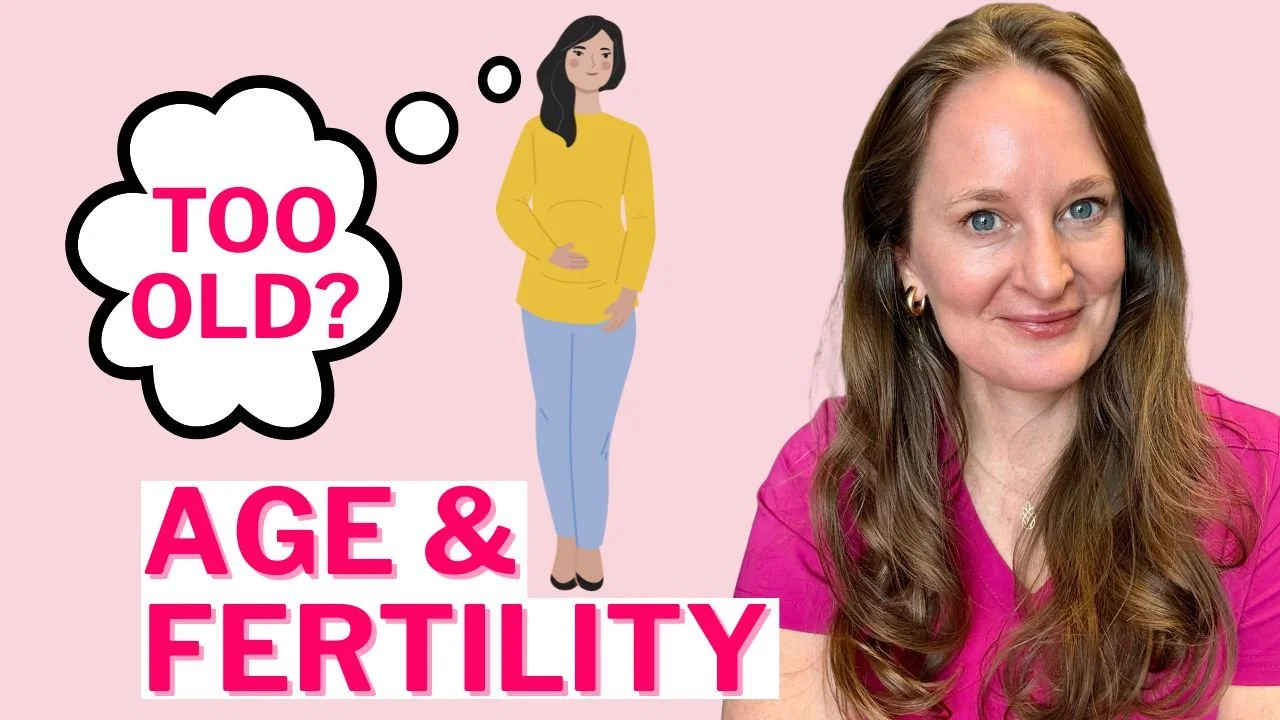
Exploring the Possibilities and Considerations of Pregnancy Later in Life
In the ever-evolving world of reproductive medicine, the boundaries of what's possible when it comes to age and fertility continue to be pushed. From record-breaking pregnancies in women well past the average age of menopause to the growing role of paternal age in family planning, the science and ethics surrounding this topic are complex and nuanced.
As a double board-certified reproductive endocrinologist and OB/GYN with over 20 years of experience, I've had a front-row seat to the incredible advancements in this field. In this in-depth blog post, I'll share my expertise and insights to help you navigate the realities, risks, and considerations of pregnancy at advanced maternal and paternal ages.
Pushing the Boundaries: Record-Breaking Pregnancies at Advanced Ages
When it comes to pregnancy at advanced ages, the headlines can be both captivating and misleading. Let's start by taking a closer look at some of the most remarkable cases that have made global news:
In India, a 74-year-old woman named Aramati Manama delivered a baby after undergoing IVF with donor eggs.
According to a case report from March 2025, a 48-year-old woman successfully conceived and delivered a baby using her own eggs and IVF.
The Guinness Book of World Records lists Don Brooke as the oldest woman to conceive and deliver a baby naturally, without any fertility treatments, at the age of 59 in 1997.
While these stories capture the public's imagination and demonstrate the incredible advancements in reproductive technology, it's important to understand the nuances and potential risks behind them. These cases represent the absolute extremes and do not reflect the typical experience or outcomes for most individuals pursuing pregnancy at advanced ages.
The Science of Age and Fertility
To better understand the realities of age and fertility, let's dive into the underlying biology:
The Aging Egg
Women are born with all the eggs they will ever have, and as these eggs age, it becomes increasingly difficult to conceive and maintain a healthy pregnancy. There is a slight drop-off in fertility starting around age 35, with a more significant decline after age 40 and a rare chance of conceiving with one's own eggs after age 42.
The reason for this is that eggs are frozen in a genetic state called meiosis I when a woman is born. When an egg is released during ovulation, it must undergo a complex process to finish meiosis and reduce its chromosome count by half, preparing it for fertilization. As eggs age, they become less and less able to complete this genetic work correctly, leading to an increased risk of chromosomal abnormalities, longer time to conception, and higher rates of miscarriage.
The Aging Sperm
While the focus is often on the age of the person carrying the pregnancy, it's important to also consider the impact of paternal age. As men age, their sperm parameters, such as count, motility, and morphology, can decline. Older paternal age has also been associated with an increased risk of certain health conditions in offspring, including autism spectrum disorders, schizophrenia, and some single-gene disorders.
However, it's crucial to note that the vast majority of children born to men over the age of 50 are healthy and thriving. The increased risks, while important to be aware of, should not be overstated or cause undue alarm.
The Role of Assisted Reproductive Technologies
The advent of assisted reproductive technologies, such as IVF and egg donation, has been a game-changer in the field of fertility. These advancements have allowed individuals and couples to have children at ages that were previously considered impossible or highly risky.
Egg donation, in particular, has been a crucial workaround for those who have lost their own fertility due to medical reasons or simply the natural aging process. By using eggs from a younger, typically 20s or 30s, donor, individuals can still achieve pregnancy and have a biological child, even if their own eggs are no longer viable.
However, the availability of these technologies has also pushed the boundaries of what's considered "acceptable" when it comes to age and pregnancy. As a result, it's essential to carefully consider the ethical implications and potential risks for both the parents and the child.
Pregnancy Risks at Advanced Maternal Ages
While the ability to conceive and carry a pregnancy at advanced ages is remarkable, it's crucial to understand the potential health risks for both the mother and the child. As a woman's age increases, the likelihood of certain pregnancy complications also rises:
Hypertension in Pregnancy: The risk of pregnancy-induced hypertension is 16% for women aged 45-49 and doubles to 33% for those 50 and above.
Gestational Diabetes: The risk of gestational diabetes also doubles in the 45-49 and 50+ age groups.
Preterm Birth and Stillbirth: Older maternal age is associated with an increased risk of preterm birth and stillbirth.
It's important to note that many pregnancies at advanced maternal ages do progress without complications, but the overall risks are higher. This is why it's crucial for individuals considering pregnancy later in life to work closely with their healthcare providers, undergo thorough medical evaluations, and make informed decisions about the risks and benefits.
The Ethical Considerations of Older Parenthood
As the boundaries of what's possible in reproductive medicine continue to expand, the ethical implications of older parenthood have come under increasing scrutiny. While there are potential benefits, such as greater financial stability, the risks and challenges must also be carefully weighed:
Parental Mortality: Children born to parents over the age of 50 have a significantly higher chance of experiencing the death of a parent while they are still minors. The risk increases from 3.5% for parents under 50 to 16% for mothers and 22% for fathers aged 50, and up to 40% for parents aged 60.
Caregiver Burden: Older parents may face greater physical and emotional challenges in caring for young children, potentially placing a heavier burden on the child as they grow up.
Generational Gaps: The age difference between older parents and their children can create unique challenges, such as the child potentially having to take on caregiving responsibilities for their aging parents at a younger age.
These ethical considerations do not mean that older parenthood is inherently wrong or should be discouraged. However, it's crucial for individuals and couples to carefully weigh the potential risks and benefits, and to have a solid support system in place to ensure the best possible outcomes for both the parents and the child.
Updated ASRM Recommendations for Clinicians
In 2025, the American Society for Reproductive Medicine (ASRM) updated its guidelines for clinicians working with patients considering pregnancy at advanced maternal and paternal ages. These recommendations aim to promote transparency, informed decision-making, and the overall well-being of both the parents and the child:
Transparent Age Policies: Clinics should have clear and transparent age policies that are communicated to patients.
Medical Clearance and Screening: Clinics should offer medical clearance and screening for women planning to get pregnant at age 45 or later.
Collaborative Care: Clinics should collaborate with maternal-fetal medicine specialists and obstetricians who are prepared to care for patients over the age of 45.
Informed Consent and Counseling: Clinics should provide comprehensive informed consent and counseling about the risks associated with advanced maternal and paternal ages.
Neutral Policies: Clinics should have general neutral policies that consider the age of both the mother and the father when providing counseling and treatment options.
Alternative Family-Building Options: Clinics should offer or discuss options such as gestational surrogacy, egg/sperm banking, and the use of donor gametes for patients at advanced ages.
Preconception Health and Care: Clinics should prioritize preconception health, thorough medical evaluations, and the establishment of a strong caregiving network for patients pursuing pregnancy at advanced ages.
These guidelines emphasize the importance of individualized, evidence-based decision-making, with the ultimate goal of promoting the best possible outcomes for both the parents and the child.
Navigating the Complexities of Age and Fertility
As you can see, the topic of age and fertility is multifaceted, with both remarkable possibilities and significant considerations to weigh. Whether you're a healthcare provider or an individual or couple exploring your family-building options, it's crucial to approach this topic with a deep understanding of the science, the risks, and the ethical implications.
Remember, there is no one-size-fits-all solution. Each person's situation is unique, and the decision to pursue pregnancy at an advanced age should be made in close consultation with healthcare professionals who can provide personalized guidance and support.
If you're interested in learning more, I encourage you to check out the resources available on my website, including my free newsletter, eBook, and podcast. You can also connect with me on Instagram, TikTok, or Facebook to stay up-to-date on the latest developments in the world of fertility and reproductive health.
Remember, you're not alone in navigating these complex decisions. With the right information, support, and guidance, you can make informed choices that align with your personal goals and values. Stay brave, stay curious, and let's continue to push the boundaries of what's possible in the world of family-building.
Additional Resources for Support
Dr. Shahine shares a wealth of additional resources to help those struggling with infertility and pregnancy loss. These include:
Dr. Shahine's free newsletter, which provides ongoing support and education
Her "Brave and Curious" podcast, which delves deeper into fertility-related topics
Her books on fertility and miscarriage, including the best-selling "Not Broken: An Approachable Guide to Miscarriage and Recurrent Pregnancy Loss"
Her active social media presence on Instagram, TikTok, Twitter, Facebook, and LinkedIn
Stay brave, stay curious, and trust that you've got this!