
Acupuncture and IVF Success: Insights from Hannah Pearn
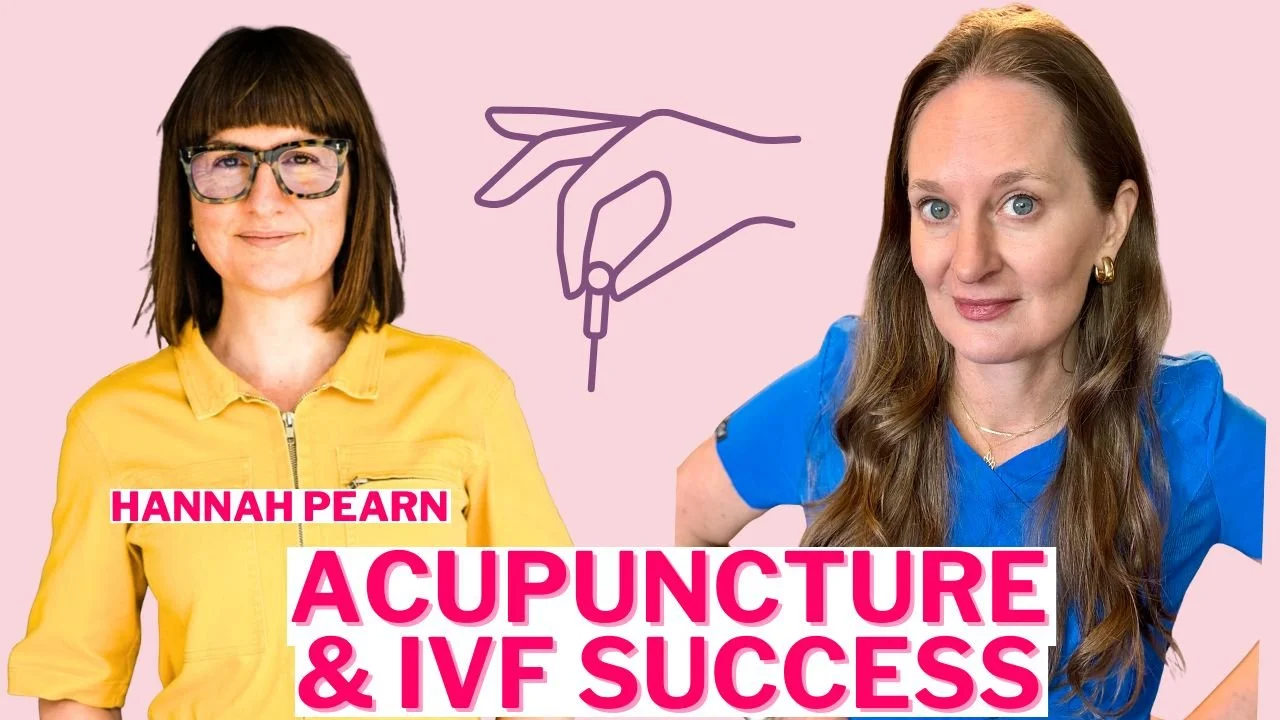
In the journey of building a family, many individuals and couples explore various avenues to enhance their fertility. One such avenue that has gained attention is acupuncture, particularly in conjunction with in vitro fertilization (IVF). In this blog post, we will delve into the insights shared by fertility acupuncturist Hannah Pearn during her conversation with Dr. Lora Shahine on the Brave and Curious podcast. We will explore how acupuncture can support IVF success, when to start fertility acupuncture, and how to choose a qualified practitioner.
Understanding Acupuncture and Its Role in Fertility
Acupuncture is a key component of traditional Chinese medicine (TCM) that involves inserting thin needles into specific points on the body to promote healing and balance. Many people wonder, "Does acupuncture improve fertility or IVF success?" The answer is nuanced and depends on various factors, including individual health conditions and treatment protocols.
How Acupuncture Works
Acupuncture aims to restore balance in the body by regulating the flow of energy, or "qi." This holistic approach considers not just the physical aspects of health but also emotional and spiritual well-being. Here are some ways acupuncture may support fertility:
Improving blood flow to the reproductive organs
Reducing stress and anxiety
Enhancing egg and sperm quality
Regulating menstrual cycles
Addressing underlying health issues such as endometriosis and polycystic ovary syndrome (PCOS)
Hannah Pearn's Journey into Fertility Acupuncture
Hannah Pearn, a fertility acupuncturist based in London, shared her personal journey into the field of acupuncture. After experiencing the benefits of acupuncture during her own pregnancy, she decided to pursue a career in this healing art. Hannah emphasizes the importance of a holistic approach to fertility, integrating both Western and Eastern medicine to provide comprehensive care for patients.
Training and Qualifications
In the UK, there is no formal board certification for acupuncturists specializing in fertility. However, Hannah highlights the importance of seeking practitioners with recognized qualifications and additional training in fertility. Here are some tips for finding a qualified fertility acupuncturist:
Look for practitioners with degrees from reputable institutions.
Check for additional certifications in fertility acupuncture.
Ask about their experience and success rates with fertility patients.
Schedule a discovery call to discuss your specific needs and concerns.
Integrating Acupuncture with IVF
One of the most compelling aspects of acupuncture is its ability to complement IVF treatments. Hannah explains that acupuncture can be tailored to different stages of the IVF process, from preparation to embryo transfer. Here’s how acupuncture can be integrated into IVF:
Pre-Treatment: Acupuncture can help improve overall health and well-being, addressing factors like stress and inflammation before starting IVF.
During Stimulation: Acupuncture can support follicular growth and enhance blood flow to the ovaries.
Embryo Transfer: Treatments can focus on calming the body and reducing anxiety during this critical time.
Post-Transfer: Acupuncture can help manage stress and support early pregnancy.
What to Expect at Your First Fertility Acupuncture Appointment
For those considering acupuncture, it’s essential to know what to expect during your first visit. Hannah outlines the typical process:
Initial consultations usually last about 90 minutes.
Patients fill out health questionnaires to provide background information.
Practitioners will conduct a thorough assessment, discussing health history and fertility goals.
Acupuncture treatment may be administered during the first visit to help patients experience the process.
A personalized treatment plan will be provided after the consultation.
Addressing Common Concerns: Needle Fear and More
Many individuals express concerns about acupuncture, particularly fear of needles. Hannah reassures patients that acupuncture needles are much finer than traditional hypodermic needles, often causing little to no discomfort. Here are some tips for overcoming needle fear:
Communicate your fears with your acupuncturist; they can adjust their approach accordingly.
Start with acupuncture points that have fewer nerve endings.
Consider bringing a friend or partner for support during your appointment.
Fertility Testing and Acupuncture
During the podcast, Hannah and Dr. Shahine discussed various fertility tests, including PGT-A (preimplantation genetic testing for aneuploidy) and microbiome testing. While these tests can provide valuable insights, they are not universally necessary for every patient. Here’s a brief overview:
PGT-A Testing: This test can help identify genetically normal embryos, potentially increasing the chances of a successful pregnancy.
Microbiome Testing: The vaginal microbiome may play a role in fertility, but the evidence is still emerging. It’s essential to consult with a healthcare provider before pursuing this testing.
When to Start Fertility Acupuncture
Timing is crucial when it comes to fertility acupuncture. Ideally, Hannah recommends starting acupuncture treatment at least three months before beginning IVF or other fertility treatments. This allows sufficient time to address underlying health issues and optimize egg and sperm quality. However, it’s essential to remember that every individual’s journey is unique, and starting acupuncture can be beneficial at any stage of the fertility process.
Boosting Egg Count: Myths and Realities
Many patients inquire about ways to increase their egg count. While there are no guaranteed methods to boost egg quantity, maintaining a healthy lifestyle can support overall reproductive health. Here are some strategies to consider:
Prioritize a balanced diet rich in nutrients.
Engage in regular physical activity.
Manage stress through mindfulness practices.
Avoid exposure to environmental toxins.
The Evidence Behind Acupuncture and Fertility
The evidence surrounding acupuncture and fertility is mixed, with some studies showing positive outcomes while others remain inconclusive. Hannah emphasizes the importance of individualized care and the need for more robust research in this area. While acupuncture may not be a silver bullet, many patients report feeling more supported and empowered throughout their fertility journey when incorporating acupuncture into their treatment plan.
Conclusion: A Holistic Approach to Fertility
In conclusion, acupuncture can be a valuable tool in the fertility journey, particularly when integrated with IVF and other treatments. By addressing both physical and emotional aspects of health, acupuncture offers a holistic approach to fertility care. If you’re considering acupuncture, take the time to research qualified practitioners and have open conversations about your goals and concerns.
For more information on fertility acupuncture and to connect with Hannah Pearn, visit her website at donttellmetorelax.co.uk and follow her on Instagram at @donttellmetorelax.
Thank you for joining us on this exploration of acupuncture and IVF success. Remember, you are not alone on this journey, and there are many resources available to support you. Stay brave and curious!
Additional Resources for Support
Dr. Shahine shares a wealth of additional resources to help those struggling with infertility and pregnancy loss. These include:
Dr. Shahine's free newsletter, which provides ongoing support and education
Her "Brave and Curious" podcast, which delves deeper into fertility-related topics
Her books on fertility and miscarriage, including the best-selling "Not Broken: An Approachable Guide to Miscarriage and Recurrent Pregnancy Loss"
Her active social media presence on Instagram, TikTok, Twitter, Facebook, and LinkedIn
Thank you for joining me on this journey. Stay brave and curious!