
Ovarian Rejuvenation: The Race to Extend Fertility
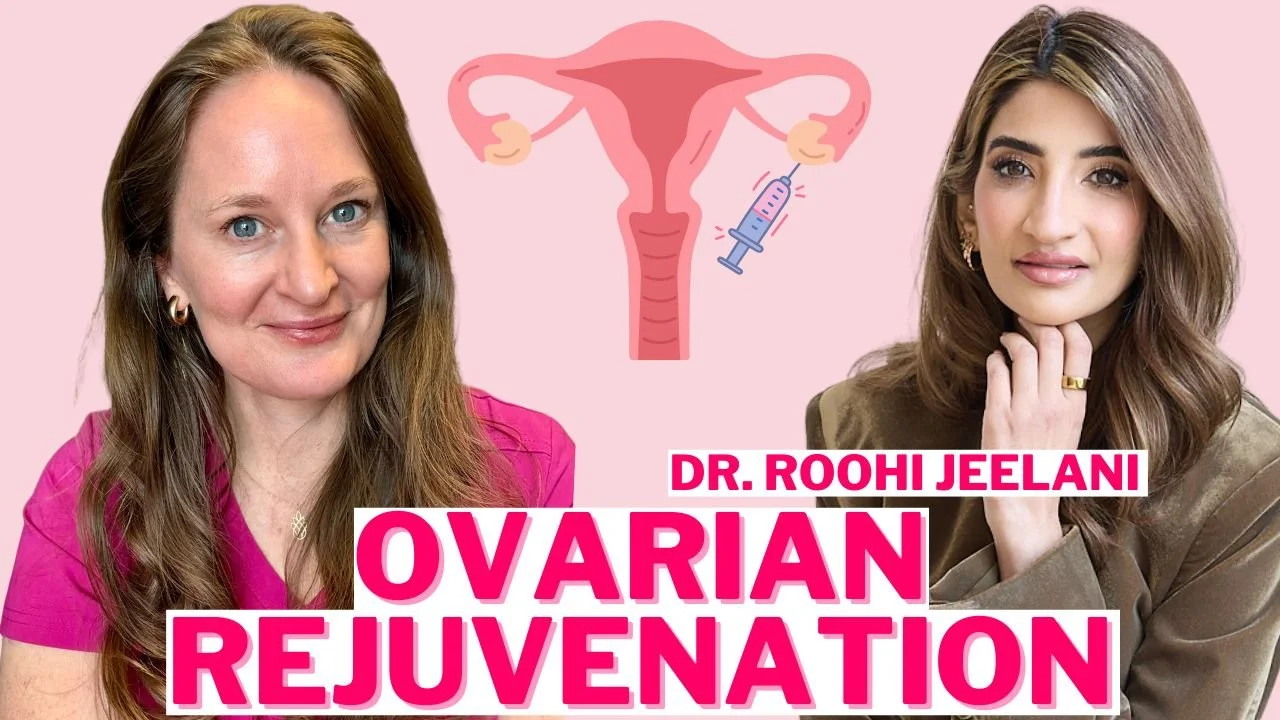
In the ever-evolving field of reproductive medicine, the quest for solutions to age-related fertility decline remains a significant challenge. As discussed in the latest episode of Brave & Curious, Dr. Lora Shahine and Dr. Roohi Jeelani delve into the fascinating world of ovarian rejuvenation and the potential it holds for extending fertility. This blog post aims to expand on the key themes from their conversation, exploring the science behind ovarian health, lifestyle factors, and emerging treatments that could redefine fertility care.
Understanding Age and Fertility
Age is one of the most critical factors influencing fertility. As women age, the quality and quantity of their eggs decline, leading to challenges in conception and increased risks of miscarriage. Dr. Jeelani emphasizes the importance of transparency when discussing age-related fertility issues with patients. Here are some key points to consider:
Egg Quality: The quality of eggs diminishes with age, impacting the chances of successful fertilization and implantation.
Chromosomal Abnormalities: Older eggs are more likely to have chromosomal abnormalities, which can lead to miscarriage or genetic disorders.
Hormonal Changes: As women age, hormonal fluctuations can affect ovulation and overall reproductive health.
The Role of Lifestyle in Fertility
While age is a significant factor, lifestyle choices can also play a crucial role in optimizing fertility. Dr. Jeelani discusses several lifestyle modifications that can enhance reproductive health:
1. Sleep and Fertility
Quality sleep is essential for hormonal balance and overall health. Poor sleep can lead to increased cortisol levels, which may negatively impact ovulation. Here are some tips for improving sleep:
Establish a regular sleep schedule.
Create a relaxing bedtime routine.
Avoid screens and stimulants before bed.
2. Stress Management
Stress can significantly affect fertility by disrupting hormonal balance. Dr. Jeelani suggests incorporating stress-reducing practices into daily life:
Mindfulness and meditation.
Regular physical activity.
Engaging in hobbies and social activities.
3. Nutrition for Fertility
A balanced diet rich in whole foods can support reproductive health. Dr. Jeelani recommends the Mediterranean diet, which emphasizes:
Fruits and vegetables.
Whole grains.
Healthy fats, such as olive oil and nuts.
Lean proteins, including fish and poultry.
Trimester Zero: Preparing for Pregnancy
Dr. Jeelani highlights the concept of "Trimester Zero," which refers to the period before conception. This is a crucial time for both partners to optimize their health. Here are some actionable steps:
Schedule preconception check-ups.
Discuss genetic carrier screening.
Focus on maintaining a healthy weight.
Emerging Treatments for Ovarian Rejuvenation
As the field of reproductive medicine advances, new treatments are being explored to enhance ovarian function and egg quality. Dr. Jeelani discusses several promising options:
1. CoQ10
Coenzyme Q10 (CoQ10) is an antioxidant that plays a vital role in cellular energy production. Research suggests that CoQ10 supplementation may improve egg quality, particularly in women with diminished ovarian reserve. Recommended dosages typically range from 600 to 800 mg.
2. Inositol
Inositol is often used to support ovarian function, especially in women with PCOS. It helps improve insulin sensitivity and may enhance egg quality. The recommended ratio of myo-inositol to D-chiro-inositol is 40:1.
3. Melatonin
Melatonin is not only a sleep aid but also an antioxidant that may protect eggs from oxidative stress. A typical dosage is around 5 mg, taken in the evening.
4. NAD (Nicotinamide Adenine Dinucleotide)
NAD is crucial for cellular metabolism and energy production. Some studies suggest that NAD infusions may improve egg quality and development. Weekly infusions or daily subcutaneous injections are common methods of administration.
5. GLP-1 Agonists
GLP-1 agonists, such as Ozempic, have gained attention for their potential role in weight management and insulin sensitivity. While more research is needed, there is growing interest in their impact on fertility.
6. Peptides and PRP (Platelet-Rich Plasma)
Peptides are naturally occurring compounds that can support various bodily functions. PRP therapy involves injecting concentrated platelets into the ovaries to promote rejuvenation. While the data is still emerging, some studies indicate positive outcomes in ovarian function.
The Future of Fertility Medicine
As Dr. Jeelani notes, the field of fertility medicine is rapidly evolving. The integration of lifestyle optimization, advanced treatments, and a deeper understanding of ovarian health is paving the way for improved outcomes. Here are some key takeaways for patients:
Stay informed about emerging treatments and research.
Prioritize lifestyle factors that can enhance fertility.
Engage in open discussions with healthcare providers about options.
Conclusion
The journey to parenthood can be complex, but advancements in ovarian rejuvenation and fertility treatments offer hope for many. By understanding the impact of age, lifestyle, and emerging therapies, individuals can take proactive steps toward optimizing their reproductive health. For more insights and resources, be sure to check out Dr. Lora Shahine's website and follow her on Instagram.
Remember, every journey is unique, and it's essential to consult with a healthcare provider to determine the best approach for your individual situation. Stay brave and curious!
Additional Resources for Support
Dr. Shahine shares a wealth of additional resources to help those struggling with infertility and pregnancy loss. These include:
Dr. Shahine's free newsletter, which provides ongoing support and education
Her "Brave and Curious" podcast, which delves deeper into fertility-related topics
Her books on fertility and miscarriage, including the best-selling "Not Broken: An Approachable Guide to Miscarriage and Recurrent Pregnancy Loss"
Her active social media presence on Instagram, TikTok, Twitter, Facebook, and LinkedIn
Thank you for joining me on this journey. Stay brave and curious!