
Understanding Menopause: Symptoms, Hormone Therapy, and Expert Insights
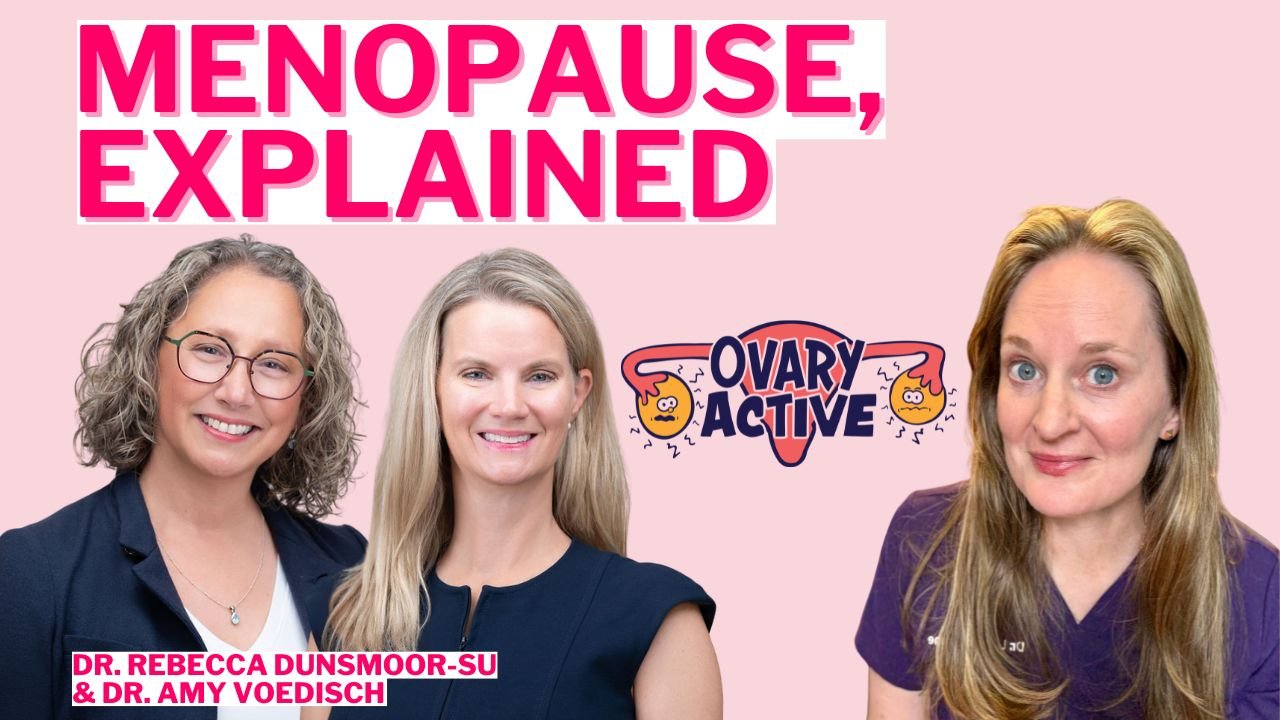
Menopause is a natural phase in a woman's life that can last for years, yet many women find themselves confused about what it entails. With the rise of social media and various health platforms, information about menopause is more accessible than ever, but it can also be overwhelming. In this blog post, we will delve into the insights shared by Dr. Rebecca Dunsmoor-Su and Dr. Amy Voedisch, hosts of the OvaryActive podcast and co-authors of the book Estrogen, Interrupted. We will explore the symptoms of menopause and perimenopause, the role of hormone therapy, and how to navigate this significant life transition.
What is Menopause?
Menopause is defined as the time in a woman's life when she has not had a menstrual period for 12 consecutive months. This typically occurs around the age of 51 or 52, but the transition can begin much earlier. The years leading up to menopause are known as perimenopause, which can last anywhere from two to ten years. During this time, women may experience a variety of symptoms due to fluctuating hormone levels.
Understanding Perimenopause
Perimenopause is often characterized by irregular menstrual cycles and a range of symptoms that can vary widely among women. Some common symptoms include:
Hot flashes and night sweats
Sleep disturbances
Mood swings, anxiety, and depression
Joint pain and stiffness
Weight changes and body composition shifts
Vaginal dryness
Irregular bleeding patterns
Unusual symptoms like itchy ears and burning mouth syndrome
It's important to note that not all women will experience the same symptoms, and some may not have hot flashes at all. This leads to a common misconception that hot flashes are the defining symptom of menopause.
The Role of Hormones in Menopause
As women approach menopause, the ovaries produce less estrogen, leading to various symptoms. Understanding the hormonal changes that occur during this time is crucial for managing symptoms effectively. Dr. Dunsmoor-Su and Dr. Voedisch emphasize that hormone testing is often not necessary to diagnose perimenopause or menopause. Instead, a comprehensive evaluation of symptoms and medical history is more effective.
Common Misconceptions About Menopause
Many women have misconceptions about menopause, often fueled by outdated information or societal stigma. Here are some key points to consider:
Menopause is not a disease; it is a natural life stage.
Not all women will experience severe symptoms.
Hormone therapy is not inherently dangerous and can be beneficial for many women.
Symptoms can start years before the last menstrual period.
Diagnosing Perimenopause and Menopause
Diagnosing perimenopause and menopause is often a "story-based" process rather than relying solely on lab results. Doctors will consider:
Age and menstrual history
Symptom patterns
Family medical history
Other potential health issues
Women in their 40s experiencing symptoms should not be dismissed simply because they are still having periods. It's essential to have open conversations with healthcare providers about symptoms and concerns.
Non-Hormonal Treatment Options
For women who prefer to avoid hormone therapy, there are several non-hormonal treatment options available:
Clinical hypnosis has shown promise in reducing the severity and frequency of hot flashes.
Bed cooling systems can help manage night sweats and improve sleep quality.
Non-hormonal medications, such as certain antidepressants and gabapentin, can alleviate hot flashes.
Supplements may provide some relief, but it's essential to consult with a healthcare provider before starting any new regimen.
It's crucial to discuss these options with a healthcare provider to determine the best course of action based on individual needs and preferences.
The WHI Study and Hormone Therapy
The Women's Health Initiative (WHI) study significantly impacted the perception of hormone therapy. Initially, the study suggested that hormone therapy could increase the risk of breast cancer and cardiovascular disease. However, further analysis revealed that the timing of hormone therapy initiation is critical. Starting hormone therapy closer to the onset of menopause may mitigate some risks associated with older age.
Dr. Dunsmoor-Su and Dr. Voedisch emphasize that hormone therapy can be a safe and effective option for many women, especially when started early in the menopausal transition.
Addressing Breast Cancer Concerns
Many women express concerns about the potential link between hormone therapy and breast cancer. It's essential to understand that:
The baseline risk of breast cancer for women is about 1 in 8.
Hormone therapy may increase the risk of breast cancer, but the absolute increase is relatively small.
Regular mammograms and monitoring can help detect any issues early.
Women should have informed discussions with their healthcare providers about the risks and benefits of hormone therapy, considering their individual health profiles.
How to Talk to Your Doctor About Menopause
Effective communication with healthcare providers is vital for managing menopause symptoms. Here are some tips for approaching the conversation:
Prepare a list of symptoms and concerns to discuss during your appointment.
Be open about your experiences and how they impact your daily life.
Ask questions about treatment options, including both hormonal and non-hormonal therapies.
Don't hesitate to seek a second opinion if you feel your concerns are not being addressed.
Empowering yourself with knowledge and advocating for your health can lead to better outcomes during this transition.
Conclusion
Menopause is a significant life transition that can bring about various physical and emotional changes. Understanding the symptoms, treatment options, and the role of hormones can help women navigate this phase with confidence. Dr. Dunsmoor-Su and Dr. Voedisch's insights provide valuable information for women seeking to understand their bodies better and make informed decisions about their health.
For more information, be sure to check out the OvaryActive podcast and their book Estrogen, Interrupted. Remember, you are not alone in this journey, and there are resources available to support you.
Additional Resources for Support
Dr. Shahine shares a wealth of additional resources to help those struggling with infertility and pregnancy loss. These include:
Dr. Shahine's free newsletter, which provides ongoing support and education
Her "Brave and Curious" podcast, which delves deeper into fertility-related topics
Her books on fertility and miscarriage, including the best-selling "Not Broken: An Approachable Guide to Miscarriage and Recurrent Pregnancy Loss"
Her active social media presence on Instagram, TikTok, Twitter, Facebook, and LinkedIn
Thank you for joining me on this journey. Stay brave and curious!