
How a C-Section May Impact Your Future Fertility: What the Evidence Shows
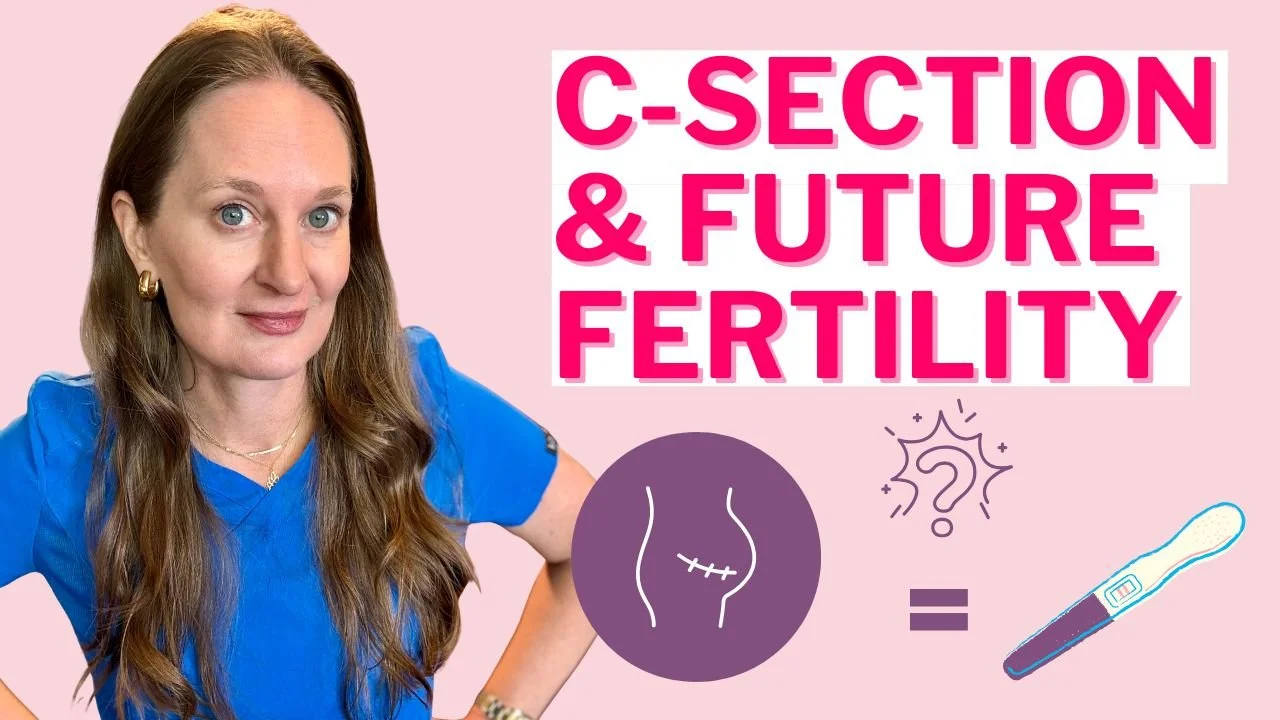
Understanding the Potential Risks and Benefits of C-Sections
If you've had a C-section or are planning one, you may be wondering how it could impact your future fertility and pregnancy outcomes. These are common concerns that many of my patients have, and it's important to understand the research on this topic.
In this in-depth blog post, I'll dive into a landmark study that looked at over 30 million pregnancies to explore the potential effects of C-sections on fertility, miscarriage rates, and other pregnancy complications. I'll also share some frequently asked questions and provide you with essential questions to ask your healthcare provider to advocate for your personal care.
By the end of this article, you'll have a clearer understanding of the evidence surrounding C-sections and your reproductive health, empowering you to make informed decisions about your family planning journey.
Exploring the Impact of C-Sections on Fertility
The first topic we'll cover is the potential impact of C-sections on future fertility. The study I'll be referencing, published in the PLOS Medicine journal in 2018, combined data from 11 different studies involving 3.7 million births.
The researchers found that there was a 60% higher chance of subfertility or taking longer to conceive after a C-section compared to a vaginal birth. This is expressed as an odds ratio of 1.6, with a 95% confidence interval of 1.45 to 1.76.
It's important to understand what this means in practical terms. An odds ratio of 1.6 doesn't mean that if you've had a C-section, you'll be infertile. Rather, it suggests that you may have a higher relative risk of taking longer to conceive your next pregnancy compared to someone who has had a vaginal delivery.
However, it's crucial to remember that these are observational studies, which means they can only identify associations, not necessarily direct causation. There could be other factors at play, such as the reason for the initial C-section, the patient's age, and overall health, that could contribute to the longer time to conception.
So, while the data suggests a potential link between C-sections and subfertility, it doesn't mean that everyone who has had a C-section will face fertility challenges. It's essential to discuss your personal situation with your healthcare provider to understand your specific risks and develop a plan to support your reproductive goals.
Pregnancy Risks After a C-Section
The next topic we'll explore is the potential risks associated with pregnancy after a C-section. The study looked at several specific complications, including placental previa, placenta accreta, and placental abruption.
Placental Previa
Placental previa is a condition where the placenta partially or completely covers the cervix, which can lead to increased bleeding during pregnancy and the need for a C-section delivery. The study found that the odds ratio of having placental previa in a subsequent pregnancy after a previous C-section was 1.74, with a 95% confidence interval of 1.62 to 1.87. This means there is a 74% higher relative risk of placental previa if you've had a C-section in the past.
Placenta Accreta
Placenta accreta is a more serious condition where the placenta attaches too deeply into the uterine wall, making it difficult to detach during delivery and potentially leading to heavy bleeding. The study showed an even higher relative risk, with an odds ratio of 2.95 and a 95% confidence interval of 1.32 to 6.60. This translates to a nearly 3-fold increased risk of placenta accreta if you've had a previous C-section.
Placental Abruption
Placental abruption is a complication where the placenta partially or completely separates from the uterine wall before delivery, which can cause bleeding and other serious complications. The study found an odds ratio of 1.38, with a 95% confidence interval of 1.27 to 1.49, indicating a 38% higher relative risk of placental abruption after a previous C-section.
Additionally, the study looked at the risk of uterine rupture, a rare but serious complication where the uterine wall tears during labor. The odds ratio for uterine rupture after a previous C-section was 25.81, with a 95% confidence interval of 10.98 to 60.76. This means there is a 25-fold increased relative risk of uterine rupture if you've had a C-section in the past.
It's important to note that while these relative risks are higher, the absolute risks of these complications are still relatively low. For example, the absolute risk of uterine rupture is less than 1%, even for those who have had a previous C-section. However, this information is still crucial for you and your healthcare provider to discuss, as it can help inform your delivery plan and ensure appropriate monitoring and care during your pregnancy.
The Benefits of C-Sections
While the study highlighted some potential risks associated with C-sections, it's important to also consider the potential benefits. The research found that women who had a C-section in the past had a lower risk of two common pelvic floor issues:
Urinary incontinence: The odds ratio for urinary incontinence after a C-section was 0.56, indicating a lower relative risk compared to vaginal delivery.
Pelvic organ prolapse: The odds ratio for pelvic organ prolapse after a C-section was 0.29, suggesting a significantly lower relative risk.
These findings suggest that C-sections may provide some protective benefits for the pelvic floor, which can be an important consideration for some women when weighing their delivery options.
Frequently Asked Questions
As I mentioned earlier, many of my patients have common questions about how C-sections may impact their future fertility and pregnancy outcomes. Let's address a few of the most frequently asked questions:
Should I avoid getting pregnant if I've had a C-section in the past?
No, you should not avoid getting pregnant just because you've had a C-section in the past. Most pregnancies after a C-section are healthy, and the risks we discussed, while important to be aware of, are still relatively low in the grand scheme of things.
How long should I wait to get pregnant after a C-section?
Most medical societies recommend waiting at least 18 months between deliveries to allow your body to fully recover. When counseling my patients, I typically suggest waiting until your first baby is around a year old before attempting another pregnancy or fertility treatment.
Can I try for a vaginal birth after a C-section (VBAC)?
Whether a VBAC is a good option for you is a highly personal decision that you should discuss thoroughly with your healthcare provider. There are pros and cons to consider, and your provider will be able to assess your specific situation and make a recommendation.
Advocating for Your Care
As you navigate your reproductive journey, it's essential to be an active participant in your healthcare. Here are three key questions I recommend asking your healthcare provider to help you make informed decisions:
Given my history of a C-section, what am I at risk for in my future pregnancy, and what additional monitoring or screening will we do? This will help you understand your specific risks and the plan to manage them.
Am I a good candidate for a VBAC? Your provider can evaluate your individual circumstances and discuss the risks and benefits of a VBAC versus a planned C-section.
How long should I try to conceive before we consider testing or additional support? This will help you and your provider develop a timeline for your family planning goals and determine when to seek further evaluation or intervention if needed.
By asking these questions and having an open dialogue with your healthcare provider, you can ensure that you're making informed decisions and advocating for the best possible care for your reproductive health.
Conclusion
In this in-depth blog post, we've explored the potential impact of C-sections on future fertility and pregnancy outcomes, drawing from a landmark study that analyzed data from over 30 million births.
While the research suggests there may be a higher relative risk of subfertility, placental complications, and other pregnancy-related issues after a C-section, it's important to remember that the absolute risks are still relatively low, and many women go on to have healthy pregnancies and deliveries after a previous C-section.
By understanding the evidence, asking the right questions, and working closely with your healthcare provider, you can make informed decisions about your reproductive health and feel empowered to navigate your family planning journey with confidence.
Remember, you are not alone in this journey. I'm here to support you every step of the way. Stay brave and curious!
Additional Resources for Support
Dr. Shahine shares a wealth of additional resources to help those struggling with infertility and pregnancy loss. These include:
Dr. Shahine's free newsletter, which provides ongoing support and education
Her "Brave and Curious" podcast, which delves deeper into fertility-related topics
Her books on fertility and miscarriage, including the best-selling "Not Broken: An Approachable Guide to Miscarriage and Recurrent Pregnancy Loss"
Her active social media presence on Instagram, TikTok, Twitter, Facebook, and LinkedIn
Stay brave, stay curious, and trust that you've got this!