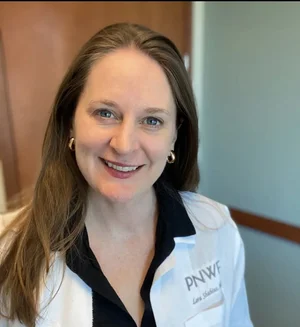

Why Sleep Is the Most Powerful Health Habit You Can't Ignore
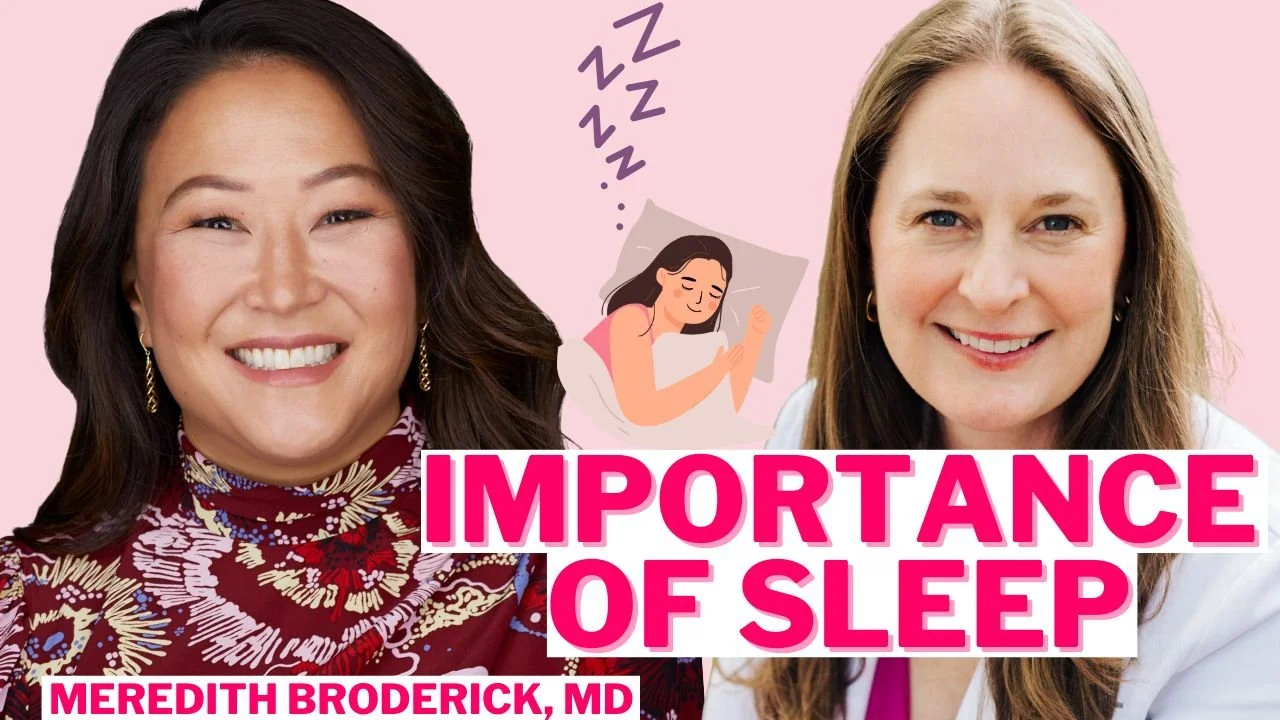
The Surprising Link Between Sleep and Your Overall Health
We talk all the time about certain health habits we should focus on - nutrition, exercise, stress management. But there's one health habit that you might be overlooking that is extremely important for your overall health and well-being, your immune system, metabolic system, your hormonal system, and even your reproductive health. That is sleep.
In this in-depth blog post, we'll explore the powerful role that sleep plays in your body and why it's not a luxury, but a biological necessity that helps you live a healthier, more vibrant life. We'll hear from sleep expert Dr. Meredith Broderick on the surprising ways that sleep disorders can impact everything from your fertility to your risk of chronic disease. And we'll provide practical, evidence-based steps you can take to start improving your sleep - without shame, perfection, or fear.
The Sleep Specialist's Journey
Dr. Meredith Broderick is a neurologist and triple board certified sleep specialist known as the "sleep guru" on Instagram. She's trained in conventional medical systems, but blends evidence-based sleep medicine with a deeply personal, human approach to care. Her mission is simple and profound: to help people become great sleepers so they can live healthier, more connected, and more vibrant lives.
Dr. Broderick's own journey into sleep medicine began during her neurology training, when she saw firsthand the toll that sleep deprivation can take on both physical and mental health. "I don't know if it was the same with you, but neurology training is very focused on inpatient care rather than outpatient," she explains. "And one of the things that's very frustrating about stroke is a lot of times there's not as much you can do after someone's had a stroke. And so I was really compelled to go into sleep medicine because it does have this preventative vantage point where it's more focused on prevention."
But it was her personal experience as a sleep fellow that really opened her eyes to the prevalence and impact of sleep disorders. "I noticed when I was in training how difficult the sleep deprivation aspect of it was. You know, being on these overnight calls and what a tremendous toll it takes on our mental health in particular, even if we're, you know, we're physically healthy, it just takes a tremendous toll."
In fact, Dr. Broderick shares that during her sleep fellowship at Stanford, she and most of her fellow trainees discovered that they themselves had undiagnosed sleep disorders. "I was by no means failing in life. I mean, now here I was like I was at Stanford doing a fellowship. But I was not thriving and I was not reaching my full potential because of these sleep disorders. And I always tell people when I got my sleep disorders treated, it was the most productive year of my life. And I felt what a lot of people who, you know, address their sleep problems feel is that why didn't I do this earlier? Why didn't I do this sooner?"
The Surprising Prevalence of Sleep Disorders
One of the biggest myths about sleep, according to Dr. Broderick, is the idea that being able to fall asleep anywhere, anytime is a sign of being a "great sleeper." In reality, she explains, that's actually a sign that you're excessively sleepy - not a marker of healthy sleep.
And women, in particular, are vastly underdiagnosed when it comes to sleep disorders. "Women, women especially, you know, women especially not overweight women are really underdiagnosed. And there's a lot of research showing that women, you know, the cardiovascular consequences are much more, you know, much much greater for women. Uh but we we don't get diagnosed because uh we don't fall into the cultural sort of um idea that you have to gasp and choke and be like this middle-aged white man who falls asleep in the recliner."
Some of the top symptoms Dr. Broderick sees in women with undiagnosed sleep disorders include:
Fatigue
Insomnia
Morning headaches
She also notes that sleep disorders can manifest in other ways, like refractory or uncontrolled conditions like migraines, depression, or high blood pressure. "When you have like a very, you know, a condition that's just kind of refractory to all the the usual treatments, that's another thing to look for."
The good news is that you don't necessarily need to go through a full sleep study to get evaluated anymore. "We have really good home testing and we have ways that you can, you know, just get something in the mail and get tested," Dr. Broderick explains.
The Science Behind Sleep
So why is sleep so important for our overall health and well-being? According to Dr. Broderick, all of our organs - including our brain, gut, and immune system - need that time to clean up, restore, and regulate themselves.
"This really important waste removal system in the brain happens when we're asleep called the glymphatic system where the glymphatic fluid which is the this cerebral spinal fluid around that kind of bathes the brain it removes these protein products that we think is related to Alzheimer's disease where there's an you know kind of an accumulation," she explains. "It's also when our immune system strengthens itself. It's also when we process emotions. So we we kind of process the day's emotions, things that were challenging and it helps us balance our mood and it's really fundamental to um you know all those components of regulating our kind of the balance between our rest and digest and our fight or flight, our autonomic nervous system."
This restorative process is especially crucial for your reproductive and hormonal health. "I think about it a lot as a fertility doctor, as a reproductive endocrinologist about just your circadian rhythm and your resetting of your hormones, you know, like really true uh sleep disorders and sleep dysfunction. People can show up with irregular periods and their hor the hormonal access is just completely off because they're not getting that sort of reset button," explains Dr. Shahine.
In fact, research has shown that sleep apnea - a common sleep disorder - is associated with poorer fertility, longer time to pregnancy, and lower success rates with IVF. "And it's amazing how many people I'm seeing asleep during their egg retrieval. You know, these like thin young women that during their egg retrieval, they're, you know, everything kind of relaxes and they're snoring like you said, like a middle-aged, you know, guy on the couch, right?"
The Long-Term Benefits of Better Sleep
As awareness around the importance of sleep has grown, so too has the fascination with the long-term benefits it can provide. From decreasing your risk of Alzheimer's disease to improving your metabolic health, getting quality sleep can have a profound impact.
"Cardiovascular disease, brain health, those are those are really important. I think people care about that more now and that's it's really cool to see that," says Dr. Broderick. But she finds that what really motivates her patients to address their sleep issues is the impact it has on their day-to-day life.
"You know, I'll give you some examples. You know, it could be a mom who's just really struggling to make it through the day and really doesn't feel sort of engaged and present and is in, you know, in kind of parenting or work or is having trouble sort of handling it all. Or maybe it's causing maybe it's the dad and it's causing some kind of tension because they're just kind of checked out by the end of the day and can't really participate. or maybe they're, you know, having to call off work this many times because they have migraines or, you know, it so a lot of times I I think when people come when they make it to see me, it's something more there's a more pressing crossroads the person's trying to deal with or or they can't sleep in the same bed as a couple and that's really important to them."
By addressing the immediate, tangible impacts of poor sleep, Dr. Broderick finds that her patients are more motivated to make the necessary changes to improve their sleep quality and duration.
Diagnosing and Treating Sleep Disorders
The two most common sleep disorders that Dr. Broderick sees in her practice are sleep apnea and chronic insomnia. For sleep apnea, the gold standard treatment is still the CPAP (continuous positive airway pressure) machine, which can be prescribed immediately after diagnosis. But there are also dental treatments, orthodontic treatments, and even new FDA-approved medications like Tezepelumab that can help.
For chronic insomnia, the go-to treatment is cognitive behavioral therapy for insomnia (CBT-I). This "sleep training program for adults" helps patients identify and change the maladaptive behaviors that are reinforcing their insomnia. As Dr. Broderick explains, "It's sort of like a sleep training program for adults where you relearn these uh maladaptive behaviors that reinforce the insomnia."
One thing Dr. Broderick cautions against is the long-term use of sleeping pills like Ambien (Zolpidem). "The fundamental thing you have to understand about sedative hypnotic so ambient is a sedative hypnotic meaning it isn't sleep it sedates you and when you're looking at a brain state those are not the same thing. So we feel like maybe psychologically better that we, you know, got a break, but that brainwashing system, that brain cleansing system and all these things that are happening when we're asleep, they're impaired or impeded by ambient."
She also warns against over-the-counter sleep aids containing antihistamines like Benadryl (diphenhydramine), as they can have negative impacts on cognition and memory over time.
Practical Tips for Better Sleep
According to Dr. Broderick, the key signs of healthy sleep are:
Can you fall asleep easily?
Do you sleep through the night with minimal interruption?
Do you wake up feeling refreshed?
Do you feel alert throughout the day?
If you can't answer "yes" to those four questions, it's time to get curious about your sleep habits and consider reaching out to a sleep specialist.
In the meantime, Dr. Broderick recommends focusing on good "sleep hygiene" habits, like:
Keeping your bedroom cool, dark, and quiet
Maintaining a regular sleep-wake schedule
Being mindful of caffeine and alcohol intake
These habits, she explains, are like "prevention" - they lower your risk of developing a sleep disorder, but they aren't a substitute for treatment if you do have an underlying issue.
For those dealing with chronic insomnia, the cognitive behavioral therapy (CBT-I) approach can be highly effective, but it does require commitment and patience. "It's going to be harder and it's going to take longer than you want it to. And I think the key is, you know, having support and not giving up," advises Dr. Broderick.
Ultimately, the message from both Dr. Shahine and Dr. Broderick is clear: sleep is not a luxury, but a biological necessity that deserves our attention and care. By understanding the powerful role it plays in our overall health - and taking proactive steps to improve our sleep quality - we can unlock a world of benefits, from better fertility to reduced risk of chronic disease.
To learn more from Dr. Meredith Broderick, be sure to follow her on Instagram and check out her website, SoundSleepGuru.com.
Additional Resources for Support
Dr. Shahine shares a wealth of additional resources to help those struggling with infertility and pregnancy loss. These include:
Dr. Shahine's free newsletter, which provides ongoing support and education
Her "Brave and Curious" podcast, which delves deeper into fertility-related topics
Her books on fertility and miscarriage, including the best-selling "Not Broken: An Approachable Guide to Miscarriage and Recurrent Pregnancy Loss"
Her active social media presence on Instagram, TikTok, Twitter, Facebook, and LinkedIn
Stay brave, stay curious, and trust that you've got this!