
The Fertility Reset: Eat, Exercise, and Maximize Your Reproductive Health for the New Year
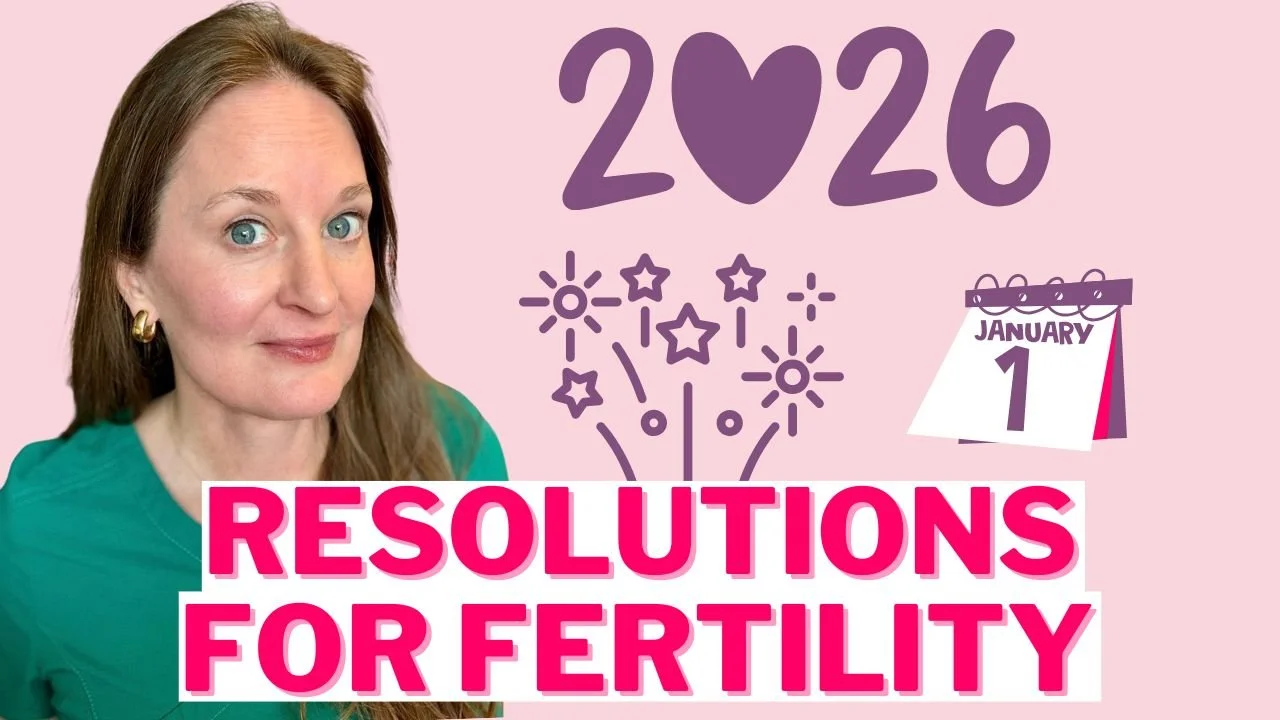
The new year is upon us, and for many, this can be a time of hope and new beginnings. If getting pregnant is one of your top goals for 2023, you'll want to listen up. In this comprehensive guide, we'll cover everything you need to know about resetting your reproductive health to maximize your chances of conceiving in the year ahead.
Get Your Health in Check
Before you start trying to get pregnant, it's crucial to ensure your overall health and well-being are in check. This means scheduling a preconception checkup with your doctor to address any chronic illnesses or medications you may be taking.
If you have conditions like asthma, diabetes, high blood pressure, or others, now is the time to work with your doctor to optimize your management. Be sure to let them know you're planning to get pregnant so they can advise you on any necessary medication changes or adjustments.
Additionally, it's a good idea to get up-to-date on any preventive health screenings, like a Pap smear or mammogram, that you may have been putting off. These types of tests are much easier to complete before pregnancy when your options for care may be more limited.
When to Stop Birth Control
The timing of when you stop birth control depends on the specific method you're using and when you're ready to start trying to conceive. For long-acting methods like the Depo-Provera shot, you'll want to stop at least 6 months before your target conception date, as it can take a while for your body to resume regular ovulation.
On the other hand, for methods like birth control pills, the ring, or an IUD, you can typically stop and resume ovulating within 2 weeks. Even so, you may want to stop a few months in advance to allow your cycles to regulate and get a sense of your natural rhythm.
Regardless of your birth control method, be sure to use a reliable form of contraception, like condoms, in the interim period before you're ready to start trying. And don't worry about the myth of a "washout period" - there's no evidence that you need to wait a certain amount of time after stopping birth control to get pregnant.
Tracking Your Cycles
Understanding your menstrual cycle is essential for getting pregnant faster. Many people mistakenly believe that a 28-day cycle is the norm, but in reality, less than 25% of women have a perfectly predictable 28-day cycle every month.
Cycle length can vary, with some women experiencing cycles as short as 26 days or as long as 32 days. As long as your cycles are relatively consistent, that's a good sign that you're ovulating regularly.
Ovulation is the key event that needs to happen for pregnancy to occur. During ovulation, an egg is released from the ovary and travels down the fallopian tube, where it can be fertilized by sperm. Knowing when you ovulate will help you time intercourse to maximize your chances of conception.
Timing Trying to Conceive
Speaking of timing, it's important to understand the fertile window - the 6-day period leading up to and including the day of ovulation when you can get pregnant. Contrary to popular belief, you can't get pregnant every single day of your cycle.
After ovulation, the egg is only viable for about 12-24 hours. However, sperm can live in the reproductive tract for up to 5 days, so you'll want to have sex 2-3 times in that fertile window to ensure there are sperm ready and waiting to meet the egg.
You can use various methods to detect ovulation, such as ovulation predictor kits, basal body temperature tracking, or monitoring changes in your cervical fluid. Paying attention to these signs will help you time intercourse for the best chance of conception.
Habits to Stop
Now that we've covered the foundational steps, let's talk about some habits you'll want to kick to optimize your reproductive health.
Tobacco, Smoking, and Vaping: Tobacco, nicotine, and the chemicals in vaping products are all harmful to fertility. Check out Dr. Shahine's videos for an in-depth look at the science behind why these habits should be avoided when trying to conceive.
Marijuana and THC: While marijuana and THC may have some medicinal uses, they can disrupt ovulation and sperm production, negatively impacting fertility. Dr. Shahine has videos that dive into the research on this topic for both men and women.
Excessive Alcohol: Alcohol can disrupt sleep, hormone production, and your body's natural rhythms - all of which are crucial for reproductive health. Aim to limit alcohol to occasional, moderate use rather than making it a daily habit.
Neglecting Overall Health: It's easy to take your fertility for granted until you start struggling to conceive. Don't make that mistake - use this time to focus on your overall health and wellness, as these factors directly impact your reproductive function.
Habits to Start
Now that we've covered what to stop, let's talk about the positive habits you can adopt to support your fertility:
Nutrition
Your diet plays a significant role in reproductive health. While you don't need to overhaul your entire eating plan, making some simple, healthier choices can make a big difference.
The Mediterranean diet, which emphasizes fresh fruits and vegetables, whole grains, lean proteins, and healthy fats, has been associated with improved fertility. Increasing your fiber intake, reducing processed foods, and staying hydrated are also great places to start.
For more specific nutrition tips and evidence-based recommendations, be sure to check out Dr. Shahine's fertility-focused videos.
Exercise
Regular exercise is important for both physical and mental health, but when trying to conceive, it's crucial to find the right balance. Avoid pushing your body to the extreme with high-intensity training or endurance events, as this can actually disrupt your reproductive function.
Instead, focus on low-impact, restorative activities that help you feel good without overstressing your system. Dr. Shahine has videos that provide guidance on exercise during the preconception and fertility treatment phases.
Sleep
Sleep is one of the most underrated yet essential components of reproductive health. Aim for 7-8 hours of consistent, high-quality sleep each night. Developing a relaxing bedtime routine, limiting screen time before bed, and maintaining a regular sleep schedule can all help.
For more tips on improving your sleep hygiene, check out Dr. Shahine's video on the topic.
Stress Management
While we can't eliminate stress entirely, finding healthy ways to manage it is crucial. Experiment with different stress-relieving techniques, like meditation, therapy, or simply doing activities you enjoy. The key is to develop tools that help you process and recover from stressful situations more effectively.
Dr. Shahine has shared a wealth of blog posts and resources on managing stress during the fertility journey.
Prenatal Vitamins
Finally, be sure to start taking a prenatal vitamin at least 3 months before you begin trying to conceive. This helps ensure you have adequate levels of key nutrients like folic acid, which can significantly reduce the risk of neural tube defects.
When to Seek Medical Evaluation
The traditional recommendation is to try for a year before seeking fertility testing or consulting a specialist. However, there are some instances where it may be appropriate to seek care sooner:
If you're not having regular, predictable menstrual cycles, as this could indicate an underlying ovulation issue.
If you're 35 or older, as fertility declines with age, and earlier intervention may be beneficial.
If you have a known fertility factor, such as endometriosis, PCOS, or fibroids, that could impact your ability to conceive.
Regardless of your age or situation, don't hesitate to reach out to a fertility specialist if you have any concerns or questions. Dr. Shahine's Brave and Curious podcast is a great resource for learning more about the fertility evaluation process and when to seek professional support.
Remember, the new year is a time of hope and new beginnings. By implementing these fertility-focused strategies, you'll be well on your way to optimizing your reproductive health and increasing your chances of conceiving in 2023 and beyond. Wishing you all the best on your family-building journey!
Additional Resources for Support
Dr. Shahine shares a wealth of additional resources to help those struggling with infertility and pregnancy loss. These include:
Dr. Shahine's free newsletter, which provides ongoing support and education
Her "Brave and Curious" podcast, which delves deeper into fertility-related topics
Her books on fertility and miscarriage, including the best-selling "Not Broken: An Approachable Guide to Miscarriage and Recurrent Pregnancy Loss"
Her active social media presence on Instagram, TikTok, Twitter, Facebook, and LinkedIn
Stay brave, stay curious, and trust that you've got this!