
Progesterone Shots for Frozen Embryo Transfer: The Key to Improving Success Rates
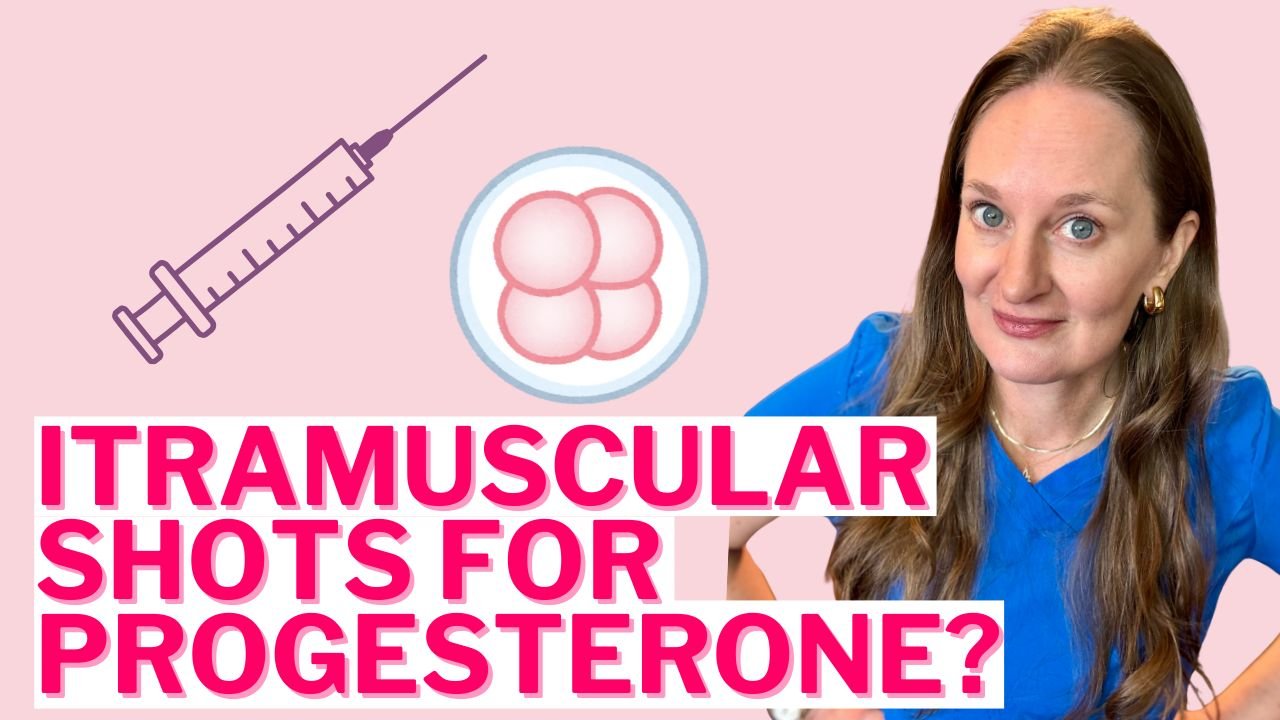
If you're preparing for a frozen embryo transfer (FET), your fertility doctor may have recommended intramuscular progesterone shots as part of your treatment protocol. While the thought of these injections can be intimidating, there's a good reason why they are often considered the gold standard for supporting implantation and early pregnancy in certain FET cycles.
In this comprehensive blog post, we'll dive deep into the science behind progesterone's role in fertility and pregnancy, explore the different protocols and progesterone options for FET, and review a landmark study that sheds light on why intramuscular progesterone may be the best choice for improving live birth rates and reducing miscarriage risk in programmed FET cycles.
The Vital Role of Progesterone in Conception and Early Pregnancy
Progesterone is a crucial hormone that plays a central role in the menstrual cycle, implantation, and early pregnancy. During the luteal phase of the cycle, after ovulation, progesterone levels rise and become the dominant hormone. This surge in progesterone helps prepare the uterine lining (endometrium) for implantation, should fertilization occur.
If pregnancy is achieved, progesterone continues to support the growing embryo and developing placenta. It helps maintain the uterine lining, preventing menstruation, and promotes the growth and development of the fetus in the early stages of pregnancy. Without adequate progesterone, implantation may not occur or the pregnancy may not be able to be sustained.
The Importance of Progesterone Supplementation in Fertility Treatments
In assisted reproductive technologies like in vitro fertilization (IVF) and frozen embryo transfers, progesterone supplementation is essential to support the early stages of pregnancy. Even in a fresh IVF cycle where the ovaries are producing some progesterone, the disruption of the egg retrieval process can impact the body's natural progesterone production. As a result, supplemental progesterone is routinely provided to IVF patients to ensure adequate support for implantation and early fetal development.
In the case of frozen embryo transfers, the need for progesterone supplementation is even more critical, as the patient's ovaries are not actively producing progesterone during the transfer cycle. The only source of progesterone comes from what the fertility clinic prescribes, making it a crucial component of the treatment protocol.
Programmed vs. Ovulatory FET Protocols: Understanding the Differences
There are two main types of frozen embryo transfer protocols: programmed (or medicated) and ovulatory (also known as natural or non-medicated).
Programmed FET Protocols
In a programmed FET cycle, the patient does not ovulate naturally. The entire cycle, including the timing of estrogen and progesterone administration, is controlled by the fertility clinic.
The patient receives prescribed medications to suppress ovulation and build up the uterine lining, followed by the introduction of progesterone to support implantation and early pregnancy.
Since the patient is not ovulating, the only source of progesterone is what the doctor prescribes, making the choice of progesterone supplementation critical.
Ovulatory FET Protocols
In an ovulatory FET cycle, the patient's natural ovulation is monitored, and the embryo transfer is timed to coincide with the natural luteal phase.
The patient's own ovaries are producing progesterone during the luteal phase, so the supplemental progesterone prescribed by the doctor is more of a "boost" to support implantation and early pregnancy.
The options for progesterone supplementation may be more flexible in an ovulatory FET cycle, as the patient's own progesterone production can contribute to the overall support.
The key distinction between these two protocols is the source of progesterone. In a programmed FET, the doctor's prescription is the sole provider of progesterone, whereas in an ovulatory FET, the patient's own ovaries are contributing to the progesterone supply.
Exploring the Different Progesterone Options
When it comes to providing progesterone support for fertility treatments, there are several delivery methods available:
Oral Progesterone Pills
Oral progesterone pills are a convenient option, but they tend to have lower absorption and can sometimes cause side effects.
Oral progesterone is generally less effective than other delivery methods for supporting implantation and early pregnancy.
Transdermal Progesterone Creams
Progesterone creams applied to the skin may sound like an easy option, but there is limited evidence supporting their effectiveness in IVF and FET protocols.
Transdermal progesterone is not routinely used in assisted reproductive treatments due to the lack of robust data on its efficacy.
Vaginal Progesterone Suppositories
Vaginal progesterone suppositories are a popular choice, as they are easily absorbed and have fewer side effects compared to oral or intramuscular options.
Vaginal progesterone has been shown to be effective in supporting implantation and early pregnancy in certain fertility treatment protocols, particularly in fresh IVF cycles and ovulatory FET cycles where the patient's own progesterone production is contributing to the overall support.
Intramuscular Progesterone Injections
Intramuscular (IM) progesterone injections, where the progesterone is diluted in oil and injected into the muscle, have been the traditional gold standard for supporting implantation and early pregnancy in fertility treatments.
IM progesterone injections provide consistent, reliable progesterone levels in the bloodstream, making them a preferred choice for programmed FET cycles where the doctor's prescription is the sole source of progesterone.
While IM progesterone injections can be uncomfortable for patients, they have a long history of use and proven efficacy in IVF and FET protocols.
The choice of progesterone supplementation can have a significant impact on the success of a frozen embryo transfer, especially in programmed FET cycles where the doctor's prescription is the only source of progesterone. This is where a landmark study published in 2021 provides valuable insights.
The Landmark 2021 Study: Comparing Progesterone Options for Programmed FET
In 2021, a study published in the journal Fertility and Sterility set out to answer a critical question: Is vaginal progesterone as effective as intramuscular progesterone in programmed or medicated frozen embryo transfer cycles?
The study, led by researchers from the University of Southern California, was a randomized controlled trial involving 1,125 patients undergoing a programmed FET cycle with unscreened blastocysts. The patients were divided into three groups:
Group 1: Received traditional daily intramuscular progesterone injections
Group 2: Received a combination of vaginal progesterone suppositories and intramuscular progesterone injections every third day
Group 3: Received vaginal progesterone suppositories only
The results of this landmark study were quite compelling:
Live Birth Rates
The live birth rate for the intramuscular progesterone group was 44%.
The live birth rate for the combination of vaginal and intramuscular progesterone was 46%.
The live birth rate for the vaginal progesterone-only group was 27% - a significant 17 percentage point difference compared to the groups with intramuscular progesterone.
Miscarriage Rates
The miscarriage rate for the intramuscular progesterone group was 33%.
The miscarriage rate for the combination group was 26%.
The miscarriage rate for the vaginal progesterone-only group was 50% - nearly double the rate of the groups with intramuscular progesterone.
These results clearly demonstrate that in programmed or medicated frozen embryo transfer cycles, where the doctor's prescription is the sole source of progesterone, having intramuscular progesterone as part of the protocol leads to significantly higher live birth rates and lower miscarriage rates compared to using vaginal progesterone alone.
The study authors concluded that vaginal progesterone alone is not as effective as having intramuscular progesterone as part of the support medication in programmed FET cycles. This finding has important implications for fertility specialists and patients alike when considering the optimal progesterone protocol for their frozen embryo transfers.
Implications and Next Steps
The results of this landmark study reinforce the importance of intramuscular progesterone as the gold standard for supporting implantation and early pregnancy in programmed or medicated frozen embryo transfer cycles. While the idea of daily injections can be daunting, the data clearly shows the benefits of this approach in terms of improving live birth rates and reducing miscarriage risk.
That said, the study also explored a hybrid approach, where patients received a combination of vaginal progesterone suppositories and intramuscular progesterone injections every third day. This combination protocol achieved similar live birth rates to the traditional daily IM injections, potentially offering a middle ground for patients who want to minimize the number of injections while still maintaining the benefits of intramuscular progesterone support.
If your fertility doctor has recommended intramuscular progesterone injections as part of your programmed FET protocol, it's important to have an open discussion about the rationale behind this recommendation. Ask your doctor about the specific evidence and data that support the use of IM progesterone in your case, as well as any alternative options, such as the combination approach, that may be worth considering.
Remember, your doctor's goal is to provide you with the best possible chance of a successful frozen embryo transfer and healthy pregnancy. By understanding the science behind progesterone support and the latest research, you can make an informed decision that aligns with your personal preferences and your fertility treatment plan.
Additional Resources for Support
Dr. Shahine shares a wealth of additional resources to help those struggling with infertility and pregnancy loss. These include:
Dr. Shahine's free newsletter, which provides ongoing support and education
Her "Brave and Curious" podcast, which delves deeper into fertility-related topics
Her books on fertility and miscarriage, including the best-selling "Not Broken: An Approachable Guide to Miscarriage and Recurrent Pregnancy Loss"
Her active social media presence on Instagram, TikTok, Twitter, Facebook, and LinkedIn
Stay brave, stay curious, and trust that you've got this!